
📖 1 – TERMO
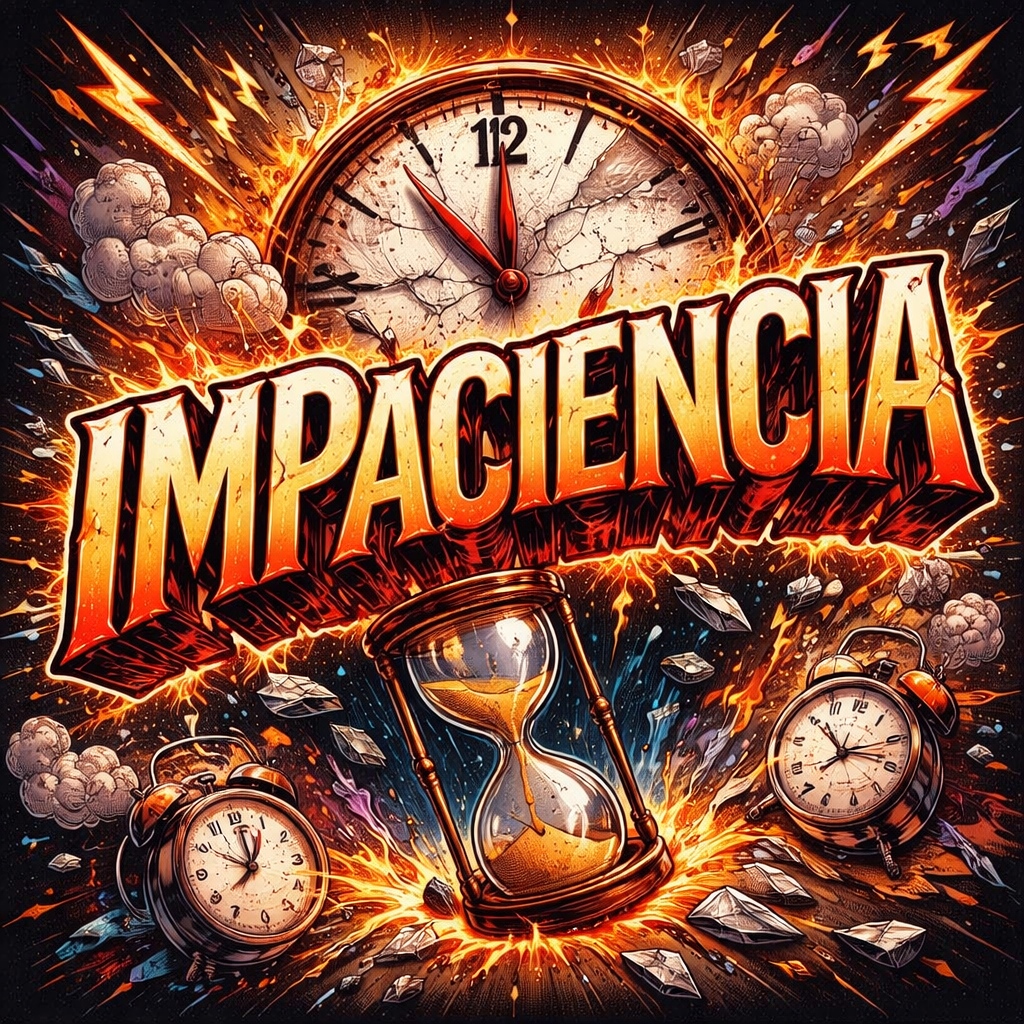
IMPACIÊNCIA
Categoria: COMPORTAMENTO / PSICOLOGIA SUBMISSA / DINÂMICA RELACIONAL
🔑 2 – PALAVRAS-RELACIONADAS
ansiedade, pressa, falta de foco, resistência à espera, tensão psicológica, submissão imatura, controle do tempo, disciplina mental, carência, urgência emocional
🔠 3 – DEFINIÇÃO
Impaciência, no contexto do BDSM, refere-se à dificuldade que submissos (ou até Dominadores) podem ter em lidar com o tempo, a espera, a ausência de resposta imediata ou o ritmo da dinâmica. É um estado psicológico de tensão, onde o desejo de viver a experiência, ser usado, receber atenção ou alcançar prazer entra em conflito com o tempo natural da prática, que exige controle, maturidade, entrega e disciplina. A impaciência pode gerar sabotagem, quebra de cena, desobediência ou frustração desnecessária.
🔎 4 – SIGNIFICADO
No BDSM, impaciência é mais que pressa — é um sintoma de descontrole.
É o sub que não suporta esperar uma ordem, o corpo que se contorce porque ainda não foi tocado, a mente que exige respostas antes de ser preparada.
A impaciência não é entrega — é ego querendo dominar a cena.
E no universo de poder real, quem quer tudo agora não está pronto pra ser possuído.
🔗 5 – APLICAÇÃO
✔️ Detectar falhas de entrega e ansiedade nos submissos durante a cena
✔️ Usada como sinal de imaturidade emocional ou carência de treinamento
✔️ Gatilho para correções comportamentais ou castigos rituais
✔️ Reconhecida como barreira psicológica no aprofundamento de dinâmicas longas
✔️ Pode aparecer em jogos de edging, sessões de negação, espera ou tarefas prolongadas
🧠 6 – IMPACTO MENTAL, FÍSICO E EMOCIONAL
🔸 Mental: perda do foco, desespero silencioso, inquietação interna
🔸 Físico: tensão muscular, respiração acelerada, impulsos descontrolados
🔸 Emocional: frustração, vergonha, irritabilidade, sensação de abandono
📢 7 – RELAÇÃO COM OUTROS TERMOS
✔️ Edging (negação de orgasmo)
✔️ Treinamento de obediência
✔️ Controle psicológico
✔️ Silêncio imposto
✔️ Ritual de espera
✔️ Serviço prolongado
🔒 8 – SIMBOLOGIA E REPRESENTAÇÃO NO BDSM
A impaciência simboliza o ego tentando retomar o controle.
Enquanto o corpo está ajoelhado, a mente ainda quer comando.
No BDSM sério, ela vira matéria-prima: o Dominador molda a impaciência até transformá-la em devoção silenciosa.
🤝 9 – NEGOCIAÇÃO
✔️ Identificar sinais de impaciência precoce no submisso e nomeá-los com clareza
✔️ Discutir expectativas de tempo, atenção e frequência de contato
✔️ Estabelecer rituais de paciência (esperar de joelhos, silêncio prolongado, serviço sem toque)
✔️ Definir respostas claras para comportamentos impacientes: castigo, suspensão, realinhamento
✔️ Trabalhar com o sub para transformar a espera em parte do prazer
💊 10 – CUIDADOS ANTES E DEPOIS
✔️ Preparar o sub para situações de espera, ausência de resposta imediata ou uso não constante
✔️ Reforçar que ser ignorado como parte da cena é diferente de abandono real
✔️ Aplicar práticas de respiração e silêncio para treinar o foco interno
✔️ Após cenas intensas de negação ou espera, oferecer validação emocional sem recompensar o descontrole
✔️ Transformar a frustração em aprendizado, reforçando que a entrega real começa onde o desejo se curva
🚀 11 – IMPACTO FINAL
O sub impaciente quer atenção. O sub treinado quer servir — mesmo se isso significar esperar em silêncio enquanto o Dono bebe café.
✍️ EXTRA – 6 PERGUNTAS ESCLARECEDORAS
❶ Impaciência é falta de submissão?
Nem sempre. Pode ser falta de treino, maturidade ou controle emocional. Mas quando ela domina a cena, sim — se torna uma barreira à submissão real. Porque quem não consegue esperar, também não consegue obedecer com profundidade. A paciência é um dos maiores sinais de entrega verdadeira.
❷ Como um Dominador pode usar a impaciência a seu favor?
Impondo silêncio, pausas longas, ordens que exigem espera ou execução lenta. O Dominador pode transformar o tempo em ferramenta de poder: faz o sub esperar por uma resposta, por um toque, por uma permissão. Isso aumenta o controle e reforça que o tempo também pertence a quem domina.
❸ Existe treinamento específico para submissos impacientes?
Sim. Técnicas de edging prolongado, posturas estáticas, tarefas repetitivas e privação de respostas são comuns. Também pode-se aplicar castigos leves para cada atitude impaciente, reforçando que a cena só avança quando o sub estiver pronto para servir — não para controlar.
❹ A impaciência pode gerar falhas em sessões longas?
Sim. Um sub impaciente pode quebrar a imersão, questionar o Dominador, pedir atenção de forma inadequada ou até sair da posição por impulso. Em sessões longas, a mente precisa estar tão submissa quanto o corpo. Sem isso, o jogo desmorona.
❺ É possível transformar impaciência em obediência?
Sim, com tempo, prática e controle. Um sub que aprende a esperar, sem sofrer, começa a se moldar ao ritmo do Dominador. Ele entende que ser usado não depende do próprio desejo — mas da vontade de quem comanda. Isso gera mais calma, foco e fidelidade ao papel.
❻ Dominadores também podem ser impacientes?
Sim, especialmente os iniciantes. A pressa em ver resultado, controle ou prazer pode atrapalhar o processo. Um Dominador seguro entende que dominação é construção. Paciência é domínio do tempo. E isso vale tanto para aplicar castigo quanto para ver um sub sendo moldado com lentidão e precisão.

📖 1 – TERM
IMPATIENCE
Category: BEHAVIOR / SUBMISSIVE PSYCHOLOGY / RELATIONAL DYNAMIC
🔑 2 – RELATED KEYWORDS
anxiety, urgency, lack of discipline, emotional tension, waiting rituals, psychological training, submissive immaturity, control issues, denial, mental resistance
🔠 3 – DEFINITION
In BDSM, impatience refers to the psychological state in which a submissive (or at times, even a Dominant) struggles with waiting, lacks tolerance for delayed gratification, or resists the slow and deliberate pacing of power dynamics. It’s a behavioral signal of internal conflict between desire and discipline, and can manifest as restlessness, emotional outbursts, or disruption of the scene. Impatience is not simply about wanting more — it’s often about not yet knowing how to wait.
🔎 4 – MEANING
Impatience in BDSM isn’t just about speed —
it’s about ego fighting surrender.
It’s the sub that fidgets because no order came, that trembles because no touch arrived, that panics because the silence feels like absence.
Impatience is not submission — it’s a residue of control, a refusal to be shaped by rhythm.
And where there is power, time belongs to the one who commands.
🔗 5 – APPLICATION
✔️ Identifying submission resistance or lack of emotional regulation
✔️ Used as a behavioral trigger to enforce obedience or training
✔️ Addressed in denial games, silence rituals, edging, or long-service scenes
✔️ Serves as an indicator of the sub’s readiness for deep protocol or long-term discipline
✔️ Can be intentionally induced to increase psychological control and emotional dependence
🧠 6 – MENTAL, PHYSICAL & EMOTIONAL IMPACT
🔸 Mental: frustration, lack of focus, internal noise, need for attention
🔸 Physical: shallow breathing, restlessness, muscle tension
🔸 Emotional: feelings of abandonment, shame, irritation, loss of stability
📢 7 – CONNECTION TO OTHER TERMS
✔️ Obedience training
✔️ Edging and orgasm denial
✔️ Time-based punishment
✔️ Silent command
✔️ Service ritual
✔️ Submissive structure
🔒 8 – SYMBOLISM IN BDSM
Impatience is the voice of the mind resisting the leash.
The body may be kneeling, but the brain is still pacing.
In serious power exchange, the ability to wait becomes part of the offering. Time is not free — it’s earned through surrender.
🤝 9 – NEGOTIATION
✔️ Define expectations around time, attention, frequency of interaction
✔️ Explore the sub’s emotional relationship with silence, absence, and delay
✔️ Clarify how impatience will be handled — correction, discipline, or ritual
✔️ Agree on pacing: slow domination vs. rapid gratification
✔️ Recognize emotional needs while reinforcing obedience over urgency
💊 10 – BEFORE AND AFTER CARE
✔️ Prepare the sub for scenes involving silence, denial, or extended waiting
✔️ Reinforce the distinction between neglect and structured control
✔️ Use breathing, mindfulness, or posture rituals to redirect emotional spikes
✔️ After intense scenes, offer emotional reflection without validating impatience
✔️ Reframe the experience as part of the training — not a failure
🚀 11 – FINAL IMPACT
The impatient sub wants attention. The trained sub wants to serve — even if it means waiting in silence while his Dom drinks coffee.
✍️ EXTRA – 6 CLARIFYING QUESTIONS
❶ Is impatience a sign of a bad submissive?
Not necessarily. It often signals inexperience, unmet emotional needs, or lack of structure. But if not addressed, impatience can erode submission by shifting focus to self-centered desire. A trained submissive learns that the pace belongs to the Dominant — not to his cravings.
❷ How can a Dominant use impatience as a tool?
By turning time into a weapon. Delaying touch, orders, or attention reinforces psychological power. The longer the sub waits, the deeper the longing — and the more impactful every action becomes. Silence, delay, and denial are ways to train anticipation into obedience.
❸ Can a submissive be trained out of impatience?
Yes. Through rituals, edging, delayed gratification, posture holding, and non-verbal discipline. The more the sub associates waiting with pleasure, the more patience becomes a reward in itself. The goal is not just to wait — but to desire the waiting.
❹ Does impatience ruin long scenes or dynamics?
It can. Unchecked impatience breaks immersion, challenges the Dominant’s authority, and creates emotional instability. Long-term submission requires discipline, pacing, and psychological stillness. Without it, the dynamic becomes reactive, not devotional.
❺ Can impatience be turned into obedience?
Yes — through redirection. The Dominant can use rituals of stillness, delayed reward systems, or tasks of silent service to mold impatience into submission. The shift happens when the sub learns that patience pleases the Dom more than eagerness ever could.
❻ Do Dominants experience impatience too?
Yes. Especially newer Doms may want quick control, instant obedience, or fast emotional feedback. But true Domination is about control of everything — including one’s own tempo. Patience in the Dominant reinforces authority. Time is a tool — not a race.